
She Googled “Why Does This Keep Coming Back?” At 1:17AM — And Realised She Was Tired Of Only Dealing With Her Bladder When It Went Wrong
July 1, 2026

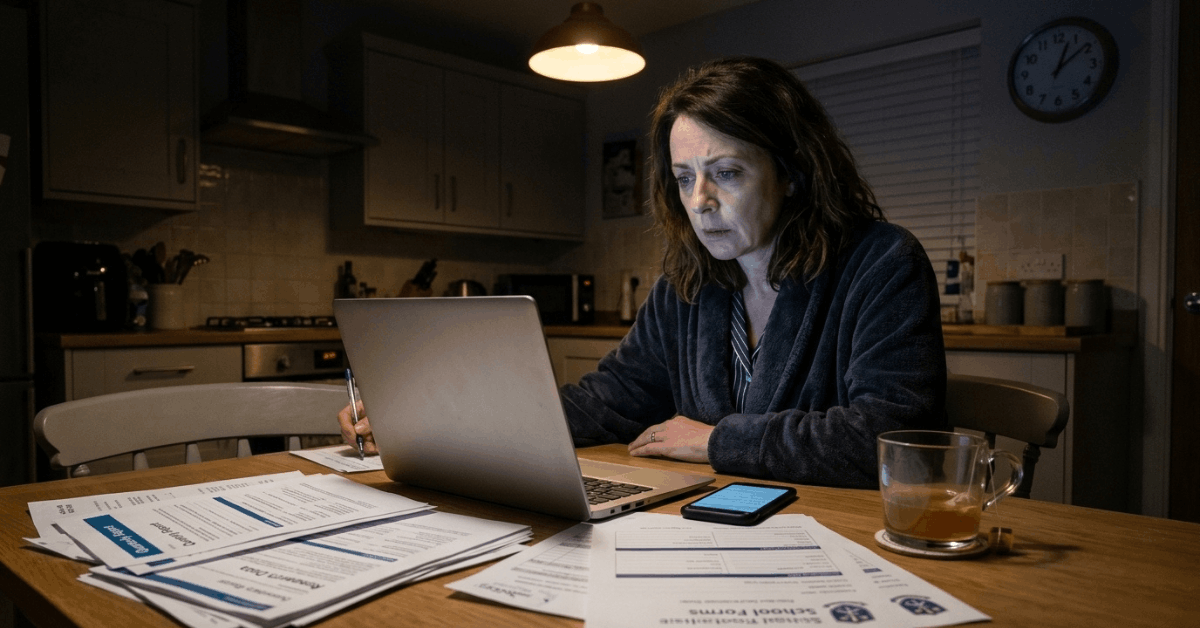
CAMBRIDGE, UK – At 1:17am on a Tuesday, 41-year-old Sophie Martin was sitting on the edge of her bed, phone brightness turned all the way down, typing the same question she had searched more times than she wanted to admit.
“Why does this keep coming back?”
She already knew she should have been asleep. She had a meeting in the morning, school uniforms to sort, a half-finished work presentation open on her laptop downstairs, and a laundry basket that had become less of a basket and more of a permanent household feature.
But instead of sleeping, Sophie was Googling bladder symptoms again.
Not casually.
Not out of curiosity.
Out of that familiar, slightly panicked feeling that starts the second something feels “off”.
“I could feel myself spiralling,” Sophie says. “One minute I was checking if it was normal, the next I had twelve tabs open and was reading forums from 2016.”
For Sophie, it had become a routine she hated.
A bit of urinary discomfort would show up.
Then the urgency.
Then the anxious checking.
Then the mental debate.
Is this another UTI?
Should I wait?
Should I drink more water?
Do I need to call the GP again?
Is it going to ruin tomorrow?
“It was never just the discomfort,” she says. “It was the fear of what it meant. The second I felt that familiar sensation, my brain went straight into panic mode.”
Sophie was not careless with her health.
If anything, she was the opposite.
She read everything.
NHS pages. Women’s health blogs.Product reviews.Forum threads.Reddit comments. Medical articles she did not fully understand but read anyway because they made her feel like she was doing something.
She knew the basic advice by heart.
Drink water.
Do not hold it in.
Avoid irritation.
Be sensible.
Speak to a healthcare professional if symptoms are severe, persistent, or worrying.
But even with all that knowledge, she still felt like she was constantly reacting.
“I felt like I was doing all the things women are told to do,” she says. “And yet I still kept ending up in the same place, sitting there Googling at midnight and wondering why my body was doing this again.”
The worst part was how much mental space it took up.
At work, Sophie would sit in meetings half-listening, wondering if she should go to the bathroom before the next call started.
During the school run, she would hope traffic did not get worse.
At dinners, she would scan the restaurant without meaning to, clocking where the toilets were before she had even looked at the menu.
On date nights with her husband, she sometimes felt too distracted to enjoy herself.
And on the days when that familiar discomfort appeared, her whole mood would change.
“I’d become quiet,” she says. “Not because I was trying to be dramatic. I just didn’t want to say, ‘I think it might be happening again.’ I was tired of hearing myself say it.”
Her husband noticed, although Sophie rarely explained it properly.
He knew the signs.
The phone in her hand.
The frown.
The sudden silence.
The way she would disappear into the bathroom and come back pretending everything was fine.
“He’d ask, ‘Are you Googling again?’ and I’d get defensive,” she says. “But he was right. I was always Googling. I just wanted reassurance.”
What made it harder was that Sophie did not want to rely on the same reactive cycle every time.
She was not against medicine when she genuinely needed it. She knew infections should be taken seriously, and she was careful about speaking to a doctor when symptoms felt concerning.
But she was tired of waiting until something felt wrong before doing anything.
“I didn’t want to live in this loop of discomfort, panic, searching, booking appointments, waiting, worrying, then hoping it wouldn’t come back,” she says. “I wanted to feel like I had some sort of daily support in place.”
The breaking point came after a long workday.
Sophie had made it through back-to-back calls, cooked dinner, helped her son with homework, replied to three emails she had forgotten about, and finally climbed into bed.
Then she felt it.
That tiny signal.
The one that made her stomach sink before anything had even properly happened.
Within minutes, she was on her phone.
Search after search.
“Recurring urinary discomfort women”
“Why do bladder symptoms come back?”
“Natural bladder support women”
“D-Mannose daily support”
She remembers staring at the screen and feeling suddenly exhausted.
Not just physically tired.
Mentally tired.
“I thought, I cannot keep doing this every few weeks,” Sophie says. “I can’t keep letting one sensation send me into a full investigation at one in the morning.”
The next day, instead of searching in a panic, Sophie decided to look calmly.
She made a cup of tea after the school run, opened her laptop, and wrote down what she actually wanted.
Not a miracle.
Not a dramatic promise.
Not something that made her feel silly for being worried.
She wanted a daily routine that felt gentle, sensible, and designed for women who wanted to support bladder comfort before things felt out of hand.
That was when she came across Prime FemFlow.
What caught her attention was not a loud claim.
It was the fact that the ingredients made sense for the kind of support she had been searching for: D-Mannose, Aloe Vera, Olive Leaf Extract, Pear, Turmeric Extract, Black Soybean Extract, Black Pepper Extract, and a digestive enzyme blend.
“I’d seen D-Mannose come up so many times in my searches,” Sophie says. “And I liked that the formula wasn’t only about one ingredient. It felt more rounded, like it was thinking about women’s urinary and feminine wellness properly.”
She did not expect her anxiety to disappear overnight.
She did not expect to never think about her bladder again.
She simply started taking Prime FemFlow as part of her morning routine, right next to the vitamins she always forgot unless they were beside the kettle.
“No big announcement,” she says. “No dramatic ‘this is going to fix everything’ moment. I just wanted to feel like I was doing something supportive every day instead of only panicking when something felt wrong.”
Over the next few weeks, Sophie noticed something she had not expected.
It was not a dramatic moment.
It was the absence of one.
She was not checking Google as often.
She was not scanning every small sensation with the same level of fear.
She felt more settled leaving the house.
And she was not constantly waiting for her body to interrupt the day.
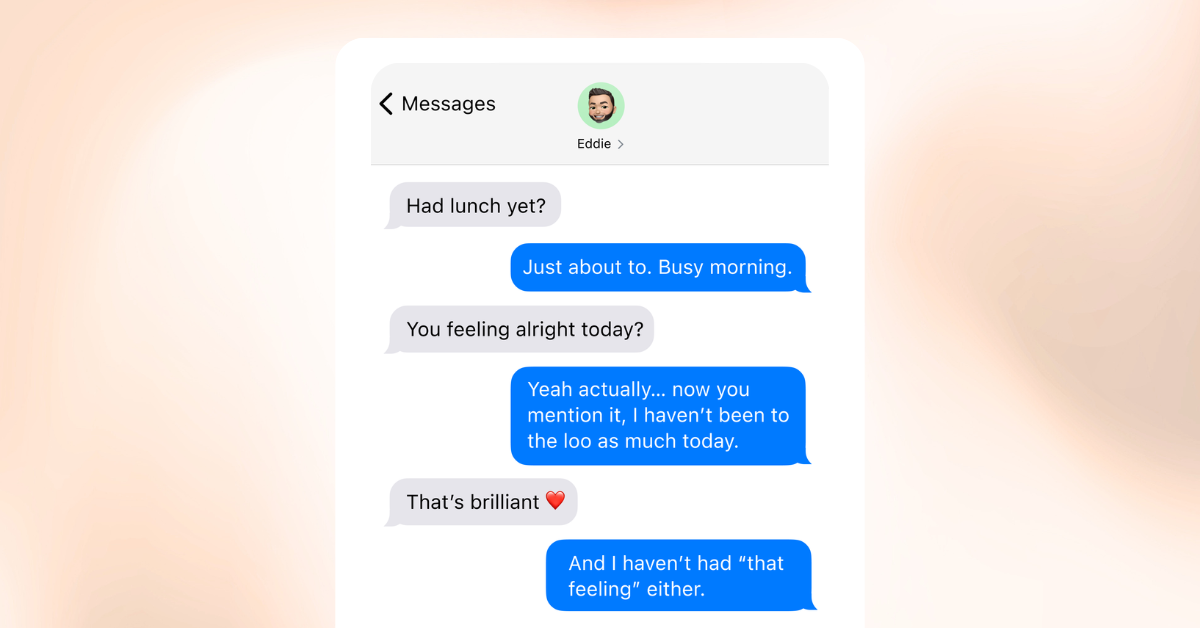
“It was like my brain got a bit quieter,” she says. “I felt like I had a routine. Something simple. Something I could actually stick to.”
One evening, her husband noticed her phone was on the bedside table instead of in her hand.
“No Googling tonight?” he asked.
Sophie laughed, but this time it was not the nervous laugh she used when she was trying to hide worry.
“No,” she told him. “Not tonight.”
That was when she realised how much had changed.
For months, her phone had become a reassurance tool. Every uncomfortable feeling sent her searching. Every search led to another page. Every page made her feel both informed and more anxious.
Now, she felt less like she was constantly bracing for the next problem.
“I still pay attention to my body,” she says. “I still know when something needs proper medical advice. But I don’t feel like I’m living in that panicked Google loop anymore.”
For Sophie, that was the real difference.
Not perfection.
Not pretending women never deal with bladder worries.
Just feeling calmer, more supported, and less alone in it.
Because the part people do not always understand is that recurring urinary discomfort does not only affect your body.
It affects how you plan.
How you sleep.
How you work.
How you travel.
How relaxed you feel in your own life.
“You start thinking ahead all the time,” Sophie says. “Will there be a toilet? What if it gets worse? What if I’m stuck somewhere? What if I need antibiotics again? It becomes this quiet background noise.”
Sophie says she wishes more women talked about it honestly.
Not in a scary way.
Not in a dramatic way.
Just enough to stop others feeling like they are the only ones sitting up at night, searching the same questions and feeling embarrassed about it.
“So many of us are trying to handle everything,” she says. “Work, kids, home, relationships. Then something like bladder discomfort shows up and suddenly you feel like you can’t even trust your own body. It’s exhausting.”
Now, Prime FemFlow is simply part of Sophie’s daily routine.
She keeps it by the kettle.
Takes it in the morning.
And gets on with her day.
No panic search.
No midnight spiral.
No waiting until she feels uncomfortable before thinking about bladder support.
“I’m still the kind of person who reads everything,” she says. “That hasn’t changed. But I don’t feel as anxious as I did. I feel like I’m supporting my body instead of constantly reacting to it.”
And Sophie’s story is far from unusual.
Across the UK, more women are quietly dealing with the same cycle: recurring urinary discomfort, urgency, burning sensations, bladder worries, and late-night searches they are too embarrassed to tell anyone about.
They are not looking for drama.
They are looking for calm.
They want to understand what is happening.
They want to feel prepared.
They want daily support that fits into real life.
If you keep Googling the same bladder questions…
If you feel anxious the second urinary discomfort appears…
If you are tired of only reacting when things feel wrong…
Or if you want a gentle daily routine to support urinary tract health, bladder comfort, and feminine wellness…
It may be time to support your body before the panic starts.
Prime FemFlow is helping women across the UK feel more confident in their daily bladder and feminine wellness routine.
CUSTOMER REVIEWS
Patricia M., 61, Leeds
“At my age, I thought bladder worries were just something I had to put up with. I was waking at night, going more often during the day, and feeling nervous before long drives. Prime FemFlow has helped me feel more confident in my routine. I wish women talked about this more because it really does affect your life.”
Sophie K., 41, Birmingham
“I was the person Googling symptoms at midnight and reading every forum until I scared myself. What I wanted was daily support, not another panic cycle. Prime FemFlow felt sensible because of the D-Mannose, Aloe Vera, Olive Leaf, and Turmeric. After a few weeks, I felt calmer and wasn’t obsessing over every tiny
Angela T., 47, Glasgow
“The biggest change for me is confidence. I used to check where the restroom was everywhere I went — restaurants, offices, even supermarkets. I still have normal days and off days, but overall I feel less controlled by bladder worries. Prime FemFlow is easy to take and fits into my routine.”
Have The Peace of Mind To Purchase
With Our 100% Money-Back Guarantee
Here at Autoimmune Institute, we make sure our customers love their product and that everyone can try it completely risk-free, or we will refund 100% of their investment with no questions asked. We’re so confident that you’ll enjoy Advanced Turmeric, we are willing to bear the risks!
90-Day Money-Back Guarantee

Made in The UK To The Highest Manufacturing Standards
100% Natural: No Binders, Fillers and Flowing Agents
[Advertorial]
Disclaimer: This article is a paid advertorial. The stories, names, and characters featured may be fictionalised for illustrative purposes. Individual results may vary. This product is not intended to diagnose, treat, cure, or prevent any disease.